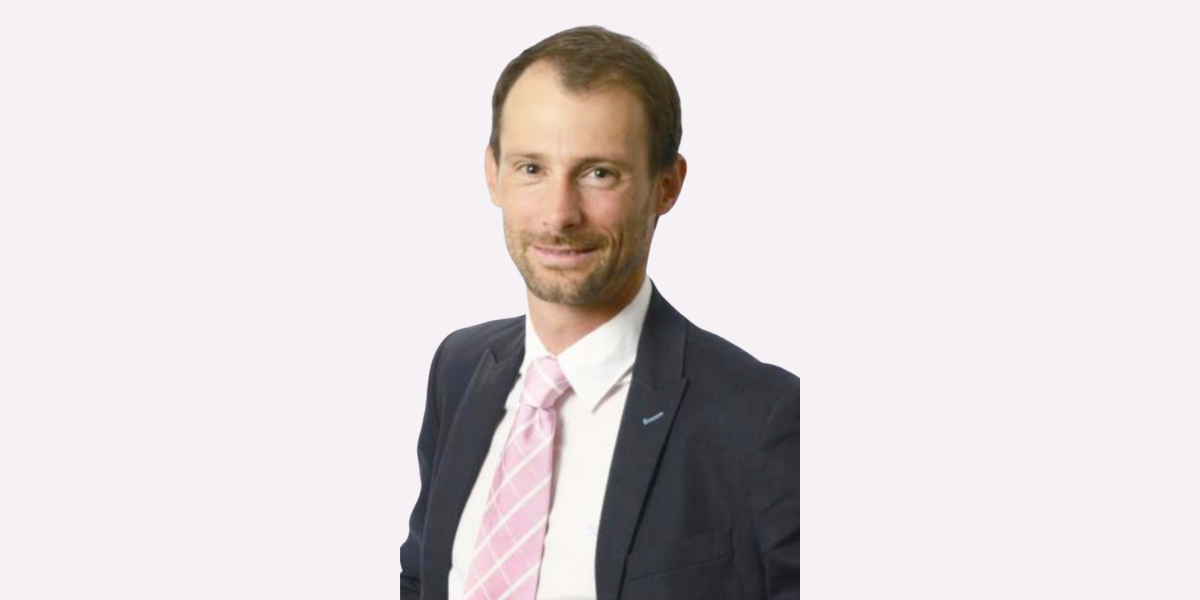
Guillaume Mayeur: “We need to ask ourselves individually what we aren’t doing—or aren’t doing enough of—to promote gender parity.”
What does gender equality mean to you?
My personal convictions stem from my own experience as a father: I strongly support gender equality; I believe we cannot wait several more generations to achieve it, and I am pleased that the term “patriarchy” is now widely used to describe certain discriminatory behaviors and the power grabs by some men, simply because they are men, over women—whether psychologically or physically.
Would you say that gender equality is making progress?
One might question whether there has been any progress on a global scale. When a country is facing economic or social difficulties, it is clear that, on the one hand, women continue to make up the majority of vulnerable people and, on the other hand, patriarchy is becoming more entrenched. I know we are generally better off in France, but I see just how fragile gender equality is here as well. For me, the challenge today is to strengthen the progress made toward gender parity so that we can preserve these gains in times of turmoil. The succession of crises in recent times can only spur us to protect human rights—including women’s rights—in the face of these threats.
How can the company contribute to addressing the major challenges you’ve mentioned?
The world of work must lead by example, using the tools at its disposal. In the face of resource disparities, businesses have one tool at their disposal: compensation. The persistence of wage inequalities requires that employers not only adhere to the principle of “equal pay for work of equal value,” but also ensure that imbalances do not develop over time. I pay particular attention to this during our pay review campaigns.
We also have a role to play in promoting gender diversity in management and in positions with significant managerial responsibility. At La Poste, women make up the majority of our workforce, but the proportion of men increases as one moves up the hierarchy. It is our responsibility to ask ourselves what we are not doing, not doing enough of, or not doing properly, to ensure that women are visible, that they apply for jobs, and that they take on positions of high responsibility.
Specifically, we’ve implemented a policy within our Brittany collective: we keep job postings for managerial positions open until at least one woman applies. Today, for the two positions of Establishment director and Operations Manager, women make up 35% of our workforce. We are making progress, but we need to accelerate our efforts and, above all, ensure that this balance is sustained over the long term.
Another key issue is planning for future promotions. During our management team’s annual reviews of key positions and talent, we discuss the individual development plans for women whose performance exceeds expectations, and we ensure that these plans are detailed and well-structured to prepare them for their future career advancement.
Do you think quotas are a solution for accelerating and ensuring the long-term achievement of gender parity?
At the macro level, quotas make sense: at the Group level, they are relevant. At the local level—such as within a regional office—they are not easy to explain or implement, and as a result, they can prove counterproductive by forcing the selection of a female candidate when there are male candidates whose skills are better suited to the job requirements.
We have adopted a proactive approach to management-level positions: when candidates have equivalent qualifications, we encourage our decision-makers to choose a woman over a man.
Similar news stories
-
“Giving women’s voices a platform is what leads to everything else.”
-

September Editorial by Aurore Mayer: Gender Parity—An Inspiration for Transformation, a Breath of Fresh Air for the Organization
-
Un Une: Two new episodes of “A part Egale” you won’t want to miss this summer
-
July Editorial by Aurore Mayer: Summer—Time for a Midyear Review Before a Well-Deserved Break!
-
May Editorial by Aurore Mayer: Gender Parity, a European Vision
-
Profile: Stéphanie Humbert, Establishment director
-
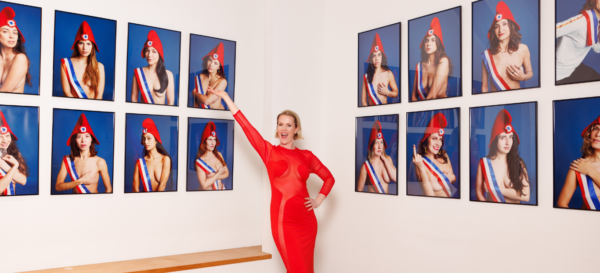
“Every Woman Embodies Marianne,” by Sylvie Castioni
-
March Editorial by Aurore Mayer: March 8… And the Rest of the Year!