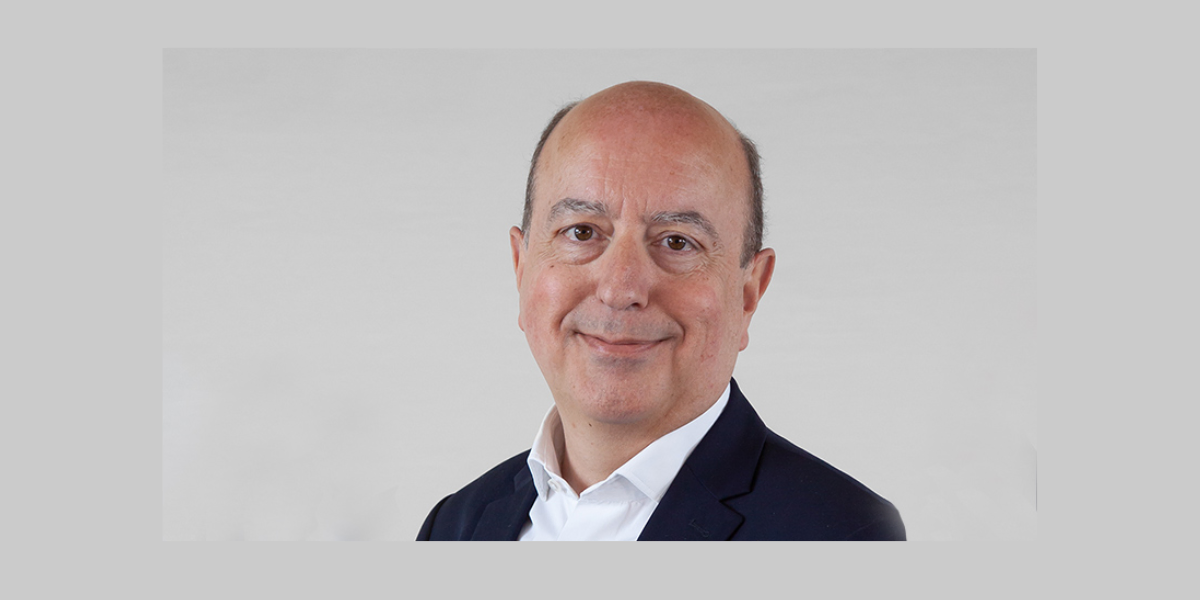
Guillaume De Roucy: “Gender parity is fundamental to diversity as a whole”
What does gender equality mean to you?
Gender parity is a given for me—a deep conviction I’ve held my whole life. Because it’s a factor in balance and collective well-being. A team thrives on the diversity of perspectives and the combination of different forms of intelligence. Gender parity is one of the key elements for guaranteeing this diversity and ensuring progress for the common good.
The company must bring this reality to life if it wants to support these societal transformations.
Would you say that gender equality is making progress?
There is no doubt that progress has been made. In our company and in many others. Particularly with regard to women’s increasing access to leadership positions. This didn’t happen on its own. This is just the beginning: we must ensure that the momentum continues so that we can break through the “glass ceiling.”
On the other hand, one area where progress is still insufficient is gender diversity in occupations and professional fields. We still see too many work environments with a majority of men… and others with a majority of women. Yet in a workplace—as in many other contexts—uniformity is a dead end. This applies not only to gender diversity but also to other factors such as age, background, educational background, and so on.
Nevertheless, I believe that gender parity is just the first step: gender equality is fundamental to diversity as a whole.
As such, we strive to support this shift in attitudes by developing partnerships with certain schools that are actively committed to promoting the values of diversity.
How can we convince those who still doubt the benefits of gender parity?
First, it must be said that their numbers are dwindling. The figures speak for themselves: today, 81% of French people believe that gender parity is essential; 93% are aware of its benefits; and 93% also believe that the issue concerns women just as much as it does men.
I attribute this shared conviction to the fact that we all feel the need to combine different forms of intelligence and leadership styles to address the complex challenges of our time. This is an indirect effect of gender parity: it also liberates men, giving them more room to express their emotional intelligence, situational awareness, empathy, and team spirit.
To answer the question “How can we convince people?” it is up to us to use the tools at our disposal to make gender equality a source of wealth that is perceived as such by as many people as possible.
What are these levers?
In the workplace, gender parity begins with recruitment. Anyone involved in hiring at our company must be made aware of biases and the risks of discrimination. Nevertheless, we face the reality that the job market is gendered: educational and academic choices, as well as people’s career paths, bear the mark of gender segregation. The company cannot simply lament this situation while continuing to hire women for female-dominated roles and men for male-dominated roles; it is our responsibility, on the one hand, to ensure that the way we identify skills and profiles does not contribute to reinforcing this segregation and, on the other hand, to take proactive steps toward achieving a more balanced workforce.
As I mentioned, in our partnerships with schools and universities, we prioritize institutions that promote gender parity. We are also members of “Financi’Elles,” the first federation of networks promoting gender diversity within companies in the financial sector, whose mission is to help improve and, above all, accelerate women’s access to leadership positions in financial institutions.
Furthermore, there is the issue of pay equity, which requires careful attention and constant vigilance. Hiring at equivalent pay for similar work is an indisputable imperative. However, inequalities can creep in over the course of a career. I intend to monitor this very closely as well.
When it comes to careers, we must continue to promote women’s access to leadership roles. This means enabling them to develop their potential with confidence. The HR function has a dual role to play: on the one hand, identifying and highlighting this potential; on the other hand, supporting their boldness and willingness to take risks.
Similar news stories
-
“Giving women’s voices a platform is what leads to everything else.”
-

September Editorial by Aurore Mayer: Gender Parity—An Inspiration for Transformation, a Breath of Fresh Air for the Organization
-
Un Une: Two new episodes of “A part Egale” you won’t want to miss this summer
-
July Editorial by Aurore Mayer: Summer—Time for a Midyear Review Before a Well-Deserved Break!
-
May Editorial by Aurore Mayer: Gender Parity, a European Vision
-
Profile: Stéphanie Humbert, Establishment director
-
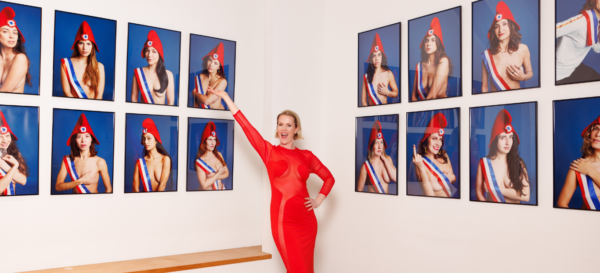
“Every Woman Embodies Marianne,” by Sylvie Castioni
-
March Editorial by Aurore Mayer: March 8… And the Rest of the Year!