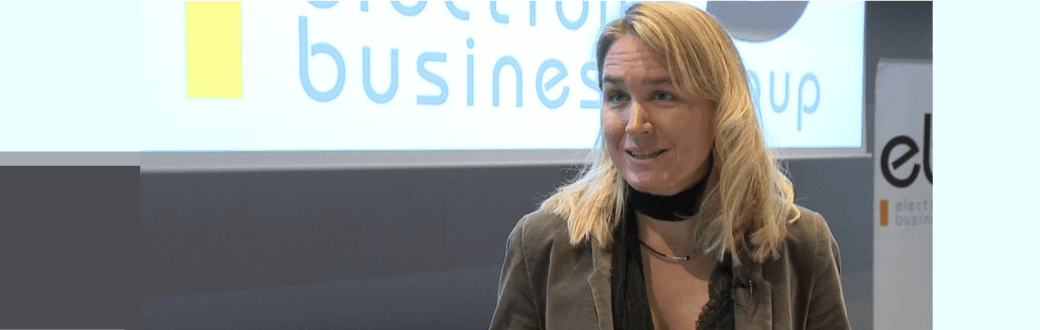
Marion Rouso: “True leadership is a far cry from the attitude of a paternalistic leader.”
What does gender equality mean to you?
A company’s performance depends on its ability to achieve true gender parity at the highest levels. There is a complementary relationship between the ways men and women think and operate. Without gender parity, we are in the realm of intellectual poverty. When everyone is a clone, we never challenge one another. It is essential to have gender diversity, but also social, generational, and religious diversity…
Would you say that gender equality is making progress?
There is undeniably progress in terms of the law, initiatives, and the visibility of this issue in the media and in the workplace. But despite this, we continue to see persistent stereotypical ways of thinking that act as a straitjacket for both genders, starting in childhood. The education of girls and boys is a key issue, but we must not use it as an excuse to do nothing but wait for new, more egalitarian generations to enter the workforce.
Companies also have a role to play in closing the gaps and changing attitudes. We must make a daily effort to remain vigilant when we hire, promote, give raises, and manage… Progress toward equality doesn’t happen naturally; it happens when we work tirelessly to counteract biases.
Do you think women themselves have a role to play, particularly by being more assertive?
The first obstacle comes from women themselves. They set limits for themselves; they mention imposter syndrome or self-confidence issues more often than men do; and they are more likely to bring up constraints (such as work schedules and balancing work and personal life) when offered a promotion.
What needs to be done to remove the barriers facing women?
I’m a big believer in role models. By “role model,” I don’t mean Wonder Woman! I’m thinking of women who inspire others, who show that it’s possible—that you can succeed without necessarily sacrificing your personal life.
I also advocate for mentoring. Starting in middle school, high school—at a time when girls might be tempted to give up math, sports, and all the coed activities they’ve participated in just as easily as boys right up through adolescence—it’s important for them to be surrounded by female role models who encourage and guide them. It is in this spirit that, through the organization 1001 Entrepreneurs, I’ve given a few presentations to senior high school classes. Later on, in the professional world, mentoring is essential for facilitating networking.
What do you think of women’s leadership programs? Don’t men also need leadership training?
Leadership has no gender, and everyone needs leadership training. Women’s leadership programs are useful for raising awareness of one’s leadership style. Leadership means embodying the kind of person others want to follow and demonstrating the ability to engage with the group.
True leadership is quite different from the attitude of a paternalistic and territorial leader. Leadership resonates more with what are often called “feminine” qualities. In reality, the qualities we’re talking about have no gender: they are the well-known “soft skills.”
Are “soft skills” taken seriously enough in companies today?
There’s a lot of talk about this in companies, and rightly so. The manager of the future is often portrayed as someone with strong emotional and interpersonal intelligence. But it’s clear that this isn’t the first question we ask ourselves when hiring a leader. We’re still looking for the expert, the authority figure. And this tendency is even more pronounced in times of crisis, with a real retreat into macho attitudes. At first glance, this seems reassuring… But in reality, it is during periods of turbulence that we need flexibility, a sense of community, and the ability to understand multiple points of view the most…
What can we do to put an end to this paradox?
The promotion of soft skills—just like that of gender equality—must be championed at the highest levels by leadership. This requires leadership to embody these values and lead by example, to have zero tolerance for inappropriate behavior, and to drive the organization’s cultural transformation. Promoting soft skills is a comprehensive corporate transformation initiative. It requires rethinking how competencies are identified, how teams operate, career paths, compensation… And the metrics, of course. Because an organization’s transformation depends on what is valued within that organization, what is measured, and what is rewarded.
Similar news stories
-
“Giving women’s voices a platform is what leads to everything else.”
-

September Editorial by Aurore Mayer: Gender Parity—An Inspiration for Transformation, a Breath of Fresh Air for the Organization
-
Un Une: Two new episodes of “A part Egale” you won’t want to miss this summer
-
July Editorial by Aurore Mayer: Summer—Time for a Midyear Review Before a Well-Deserved Break!
-
May Editorial by Aurore Mayer: Gender Parity, a European Vision
-
Profile: Stéphanie Humbert, Establishment director
-

“Every Woman Embodies Marianne,” by Sylvie Castioni
-
March Editorial by Aurore Mayer: March 8… And the Rest of the Year!