
Christian Labita: “Gender equality is a value for the future: we must defend it wholeheartedly!”
How did your belief in the need for gender equality come about?
I think it’s primarily linked to my personal sensibilities and background. I’ve always been surrounded by diversity—in terms of gender, culture, and religion! Becoming aware of and assessing societal imbalances is therefore, in my view, part of our civic education. As a result, the choices I’ve made in my life—and as a manager in particular—have aimed to push the boundaries toward a more equitable vision. But what we’ve done spontaneously as individuals is less obvious on a collective level due to greater inertia. Moving toward greater diversity and greater gender parity requires preparation and foresight… especially in a society that doesn’t make things easy.
What Role Does Gender Parity Play in the Workplace?
You only need to read the many studies on the subject to realize that gender diversity and overall diversity in the workplace are factors that lead to greater efficiency. The problem is that inequalities persist for many reasons related to access to positions, issues of self-confidence, or knowledge of certain unwritten rules—but also, and above all, because of stereotypes. I see this, for example, when recruiting for operational roles. While women on the team would be perfectly qualified to compete for operational leadership roles, they tend to gravitate toward functional positions—despite efforts to redress the balance. I do, however, see real progress, as among my 65 regional directors, there is near parity. And in recent years, more women have been appointed than men. Although gender equality is a major challenge for organizations, diversity also plays out across generations, and we strive to ensure broad generational representation to foster the exchange of perspectives and collaboration within teams. Diversity is a key to performance because we learn from others and become better listeners and more tolerant. This improves cooperation among employees—sometimes even leading to solidarity—and the pandemic is a prime example of this.
Along with school and sports, the workplace is a great place to make a difference!
How do you, at your level, contribute to this fight for gender parity, and what are your thoughts on the “Un Une” Parity Network?
I’ve been working for La Poste for 28 years, and I’m fortunate to be part of an organization that makes gender parity a corporate priority! There are many women in leadership positions, and a great deal of attention is paid to pay equity. But there’s still a lot to be done to promote gender diversity, and I fully intend to play my part! For this to work, leadership teams need to be fully committed to this issue, provide a vision, and lead by example. And then, it’s also about passing on knowledge and taking stock: on the day you retire, what you’ll remember are the people you’ve met, the stories, the moments of pride, and your career path… That’s why I want to have a positive impact on the company. The fact that a dedicated network like “Un Une” exists within our organization proves just how committed La Poste is to this issue, and it helps engage many employees by raising awareness of the work being done. These initiatives must be brought to life to make progress! Furthermore, there’s no denying that this offers a certain advantage that we must leverage as part of our employer brand to attract future talent to join us. As economic and social actors, companies have a role to play in changing the status quo! Communicating our creative ideas and sharing our progress allows us to engage with our ecosystem and inspire our stakeholders. Ultimately, through these actions, we feel we’re contributing to something greater than ourselves—something that benefits society. And we’re proud that La Poste is a leader in these areas!
Similar news stories
-
“Giving women’s voices a platform is what leads to everything else.”
-
September Editorial by Aurore Mayer: Gender Parity—An Inspiration for Transformation, a Breath of Fresh Air for the Organization
-
Un Une: Two new episodes of “A part Egale” you won’t want to miss this summer
-
July Editorial by Aurore Mayer: Summer—Time for a Midyear Review Before a Well-Deserved Break!
-
May Editorial by Aurore Mayer: Gender Parity, a European Vision
-
Profile: Stéphanie Humbert, Establishment director
-
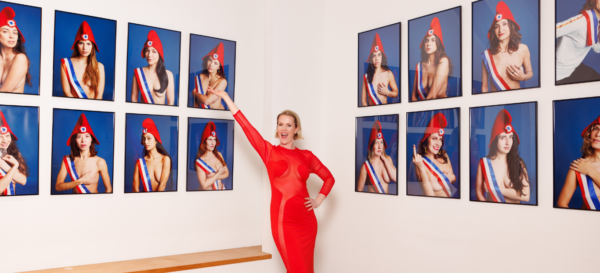
“Every Woman Embodies Marianne,” by Sylvie Castioni
-
March Editorial by Aurore Mayer: March 8… And the Rest of the Year!