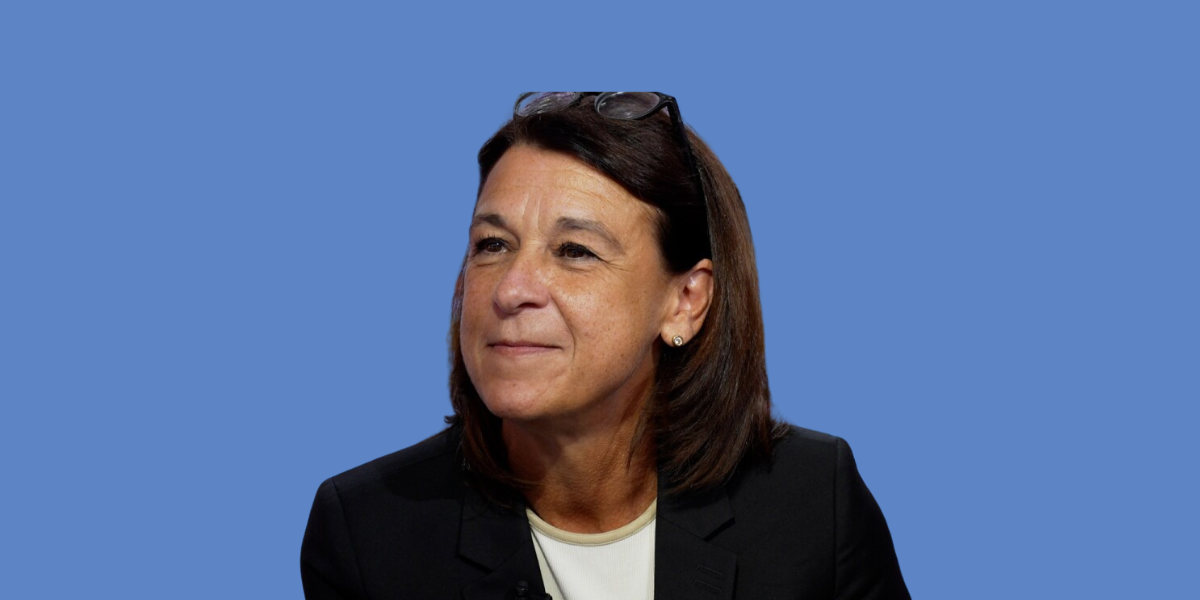
Sandrine Pierrot: “When I joined La Poste, women were just like any other men.”
Sandrine Pierrot has served as Executive Director of Retail Banking at La Poste since January 2018. Among other achievements, she founded the École de La Banque et du Réseau in 2014. In this interview, she shares with the Parity Network her vision of gender parity, which has evolved through her experiences both before and since joining La Poste. Within the Group, she leads by example, going beyond simply issuing directives promoting gender diversity.
Tell me about your career path before and since you joined La Poste… and as a woman.
I joined La Poste Group 25 years ago, after my first three-year professional experience at an Italian bank. Over time, I worked my way up the ranks until I became Executive Director of Retail Banking. My early days at La Poste were completely different from my first job at the bank. Twenty-five years ago, the culture there was very different when it came to the positions men and women could hold: whereas I had few prospects for advancement at the bank—at least in France—gender parity was practically a non-issue at La Poste!
Back then, women were “just like men,” able to advance in the same way as their male counterparts—with the one exception that, if you wanted to build a career within the Group, you had to be willing to relocate frequently in order to get a promotion. As for me, the first time I was made such an offer was in 2008, for a position as regional director… 800 km from my home, while my children were 5, 8, and 11 years old. I couldn’t accept that offer, as a mother with a husband in a self-employed profession who couldn’t relocate at all… At that point, I even came close to leaving La Poste. I finally made it clear that this wasn’t acceptable to me: in order for me to take on this position and handle the responsibilities entrusted to me, I needed to be guaranteed a certain work-life balance—which was absolutely impossible under those circumstances. Thanks to the leaders who placed their trust in me, I was still able to advance: three years later, in 2011, the network director at the time offered me the regional management position, which was located 200 km from my home in the Var region—an offer I was able to accept. By speaking out, I hope I have helped bring about change at La Poste.
Speaking of which, were you already committed to gender diversity before you joined La Poste Group, or did that commitment develop over time?
I think I was less committed at the very beginning of my career, especially when I was working at that Italian bank: I didn’t even think I could change anything—sexism was so pervasive there! I’d think about it every time I put on a pair of pants… and, in fact, I never wore a skirt again at La Poste. I even think it’s thanks to my pants that people recognize me!
If I was able to advocate for gender equality within the Group, it’s primarily because the company I work for made it possible. I wouldn’t have been able to fight the same battle at the bank back then.
How does the Group work to promote gender parity…?
There’s “saying things,” and there’s also “leading by example.” In 2014, I was still a regional director. The network director and the then-president of La Banque Postale offered me the opportunity to create the Banking and Network School, even though my children were still young. I accepted the offer on the condition that I be allowed to work from home one day a week—which was rare at the time, especially as a member of the network’s Executive Committee!
What I want is to help show that, unfortunately, a woman cannot be treated the same as a man for a whole host of reasons, particularly “because of” the family responsibilities that fall on her, no matter what, including motherhood. So, I’m advocating for women to have career paths that take this into account, and for them to be promoted and given visibility.
For example, I’m not necessarily in favor of quotas, but I think we have no choice but to go this route to truly encourage large groups to seriously consider how to organize and plan the career paths of future female leaders. In other words, I’m spreading the word, and I’m “using” my position to show that it’s possible—even within “Little France,” the nickname given to the Group, which, after all, has more than 250,000 employees!
… and beyond?
In addition to La Poste, I also represent the La Poste Group on the Women and Science Chair at the University of Dauphine: if we want gender parity in major French companies, on Executive Committees, and in management teams, we need more women scientists! I therefore play a role in selecting the projects funded by the Chair, which aim to understand the reasons behind these disparities so that we can eliminate them. The hard sciences are part of many of our business units and professions at La Poste, such as the digital sector, information systems, high-tech industries related to logistics and transportation, insurance, and banking, … Our goal is to raise the profile of these careers and show that they aren’t limited to roles as technical experts—and that the hard sciences actually lead to other paths as well.
Fortunately, things are changing: I had the opportunity to accompany Nathalie Collin, Managing Director of the Group’s Consumer and Digital Division, to Grenoble to meet with employees from our digital and Artificial Intelligence subsidiaries (Probayes, Open Value), and I was very pleasantly surprised to see that there were so many young women there.
Why do you think gender parity is necessary in the workplace?
Quite simply because numerous studies have shown this to be true…! For example, the six asset managers—including LBPAM—that make up the “30% Club France Investor Group” support a proactive approach by engaging representatives of the companies in which they invest in discussions on the issue of diversity in management teams, and to ensure that at least 30% of leadership positions are held by women, based on studies showing that corporate performance improves once this threshold is exceeded…
What more can be said? Perhaps this is a good start… but we’ll need to go beyond 30%! Also, diversity isn’t just about gender: it must go beyond parity when it comes to backgrounds—for example, in terms of discrimination based on education, age, origin, etc. There’s work to be done!
Similar news stories
-
“Giving women’s voices a platform is what leads to everything else.”
-

September Editorial by Aurore Mayer: Gender Parity—An Inspiration for Transformation, a Breath of Fresh Air for the Organization
-
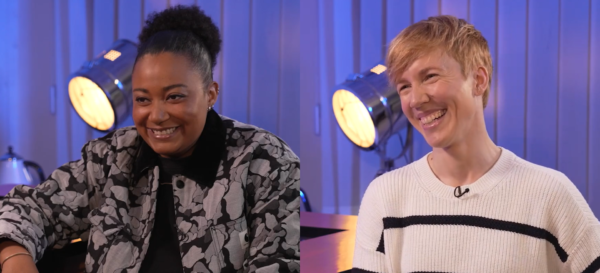
Un Une: Two new episodes of “A part Egale” you won’t want to miss this summer
-
July Editorial by Aurore Mayer: Summer—Time for a Midyear Review Before a Well-Deserved Break!
-
May Editorial by Aurore Mayer: Gender Parity, a European Vision
-
Profile: Stéphanie Humbert, Establishment director
-
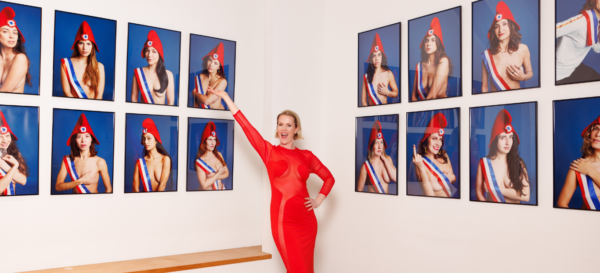
“Every Woman Embodies Marianne,” by Sylvie Castioni
-
March Editorial by Aurore Mayer: March 8… And the Rest of the Year!