
3 Strategies for Fostering Sisterhood
Derived from the Latin word “soror,”sorority means “sister” and goes beyond friendship. This term describes the necessary solidarity and mutual support among women to combat the systemic inequalities they face in society, which have repercussions in the workplace. Sorority thus champions the idea of an alliance and mutual support among women to create spaces for empowerment and counteract female rivalry.
So how can sisterhood inspire and permeate the professional world?
An overview of tips that can be applied in all organizations… and everywhere else.
1. Mentoring: Daring to Be a Female Mentor
Being a female mentor, or “femtor,” means sharing your experience with other women who want to advance in their careers. The goal? To guide them in overcoming the obstacles of the glass ceiling and to help them feel less alone in work environments that may tend to prioritize masculine norms. Far from being merely a source of professional support, female mentors also provide emotional support, inspiring and building the confidence of women who are just starting out.
Furthermore, the “femtor” is a valuable learning tool that promotes collaboration and peer support between two people who are viewed as peers. This practice is all the more interesting because it meets the expectations of female employees: according to a study by Misfit, 32% of them say they need to be listened to more.
2. The amplification strategy : amplifying other women’s voices
The amplification strategy, as its name suggests, aims to support and amplify women’s voices during meetings or decision-making processes. Given that women’s voices often face “manterrupting” and “mansplaining” —which are unconscious manifestations of learned gender roles—this strategy is essential. Indeed, numerous studies confirm this: men are 33% more likely to interrupt a woman than another man, and 75% of speaking time is taken up by men. We can also citethe Matilda Effect, according to which the appropriation of women’s intellectual work and their lack of recognition is a common phenomenon that renders their work invisible.
The amplification strategy, then, serves to ensure that women’s voices are heard and recognized. This approach proved particularly effective during the Obama administration’s first term, when two-thirds of the advisors were men!
3. Dare to Be a Role Model: The Power of Representation
According to a principle derived from sociology, being a role model means serving as an example. But above all, it means representing one’s social group to show the way for people with similar social characteristics and encourage them to feel more confident on their own journey.
Highlighting women in positions of power or in “male-dominated” sectors helps break down gender stereotypes by showing that other possibilities exist. Role models thus play a crucial role in encouraging the representation of women in various professional spheres.
Similar news stories
-

When Inspiration Comes from Elsewhere: Three International Initiatives We Can Learn From
-

3 Initiatives That Make a Difference in the Fight for Gender Equality
-

5 Cultural Recommendations for This Summer
-

The 5 Key Milestones in the Advancement of Women’s Rights That We Owe to Europe
-

The 5 European Leaders Driving Gender Equality
-

5 Resources to Help Ensure Women Are No Longer Invisible in History
-
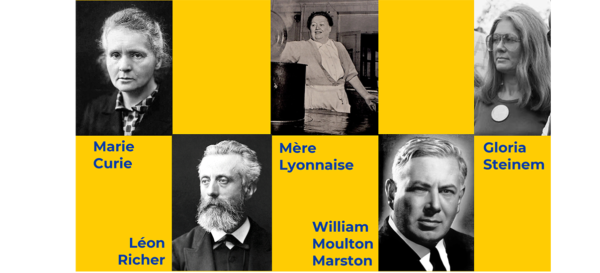
Five Feminist Figures in Mentoring
-

Our Recommendations: Gender Equality in Music