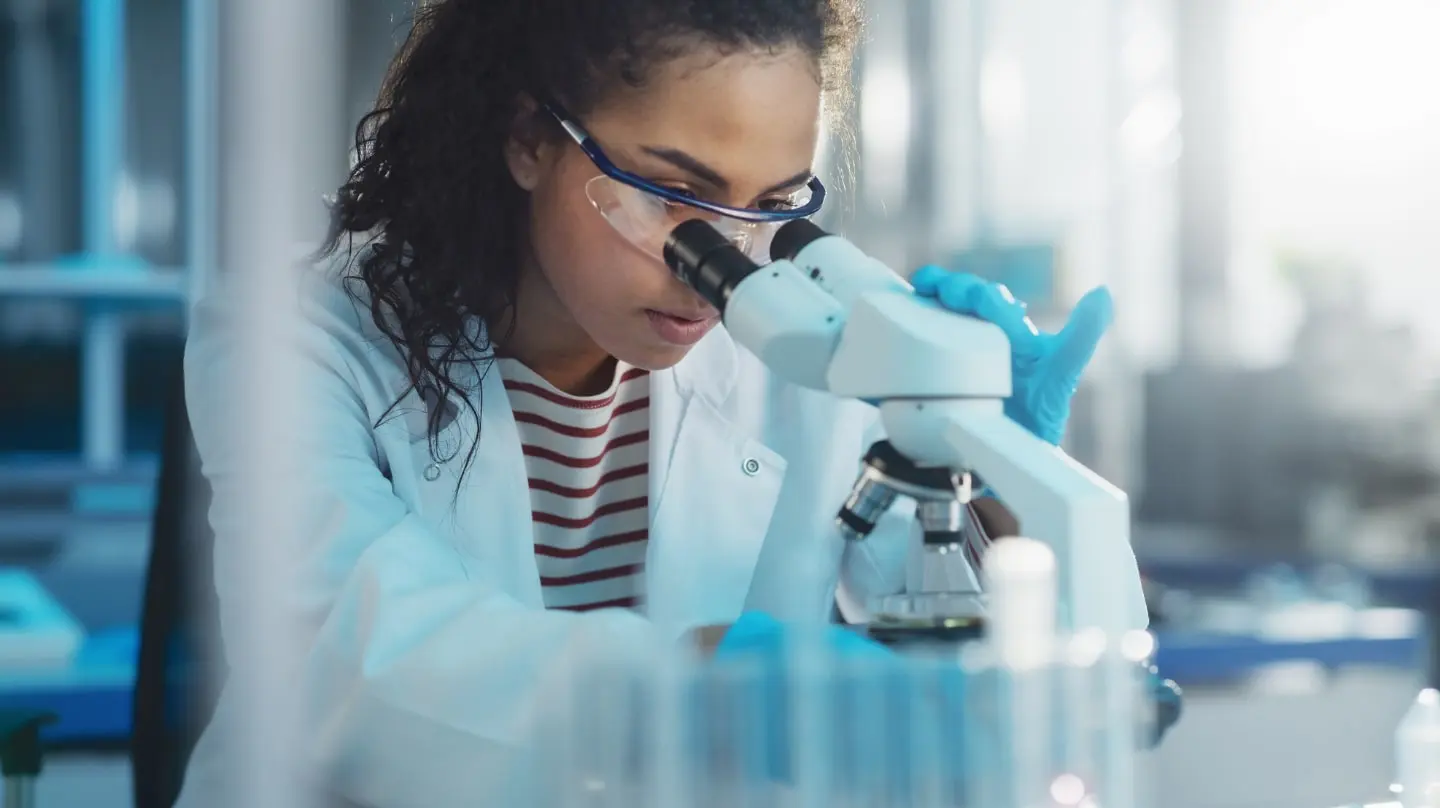
5 Resources to Help Ensure Women Are No Longer Invisible in History
Do you know of any famous female scientists besides Marie Curie? Any famous female politicians? Simone Veil—and then who else? Do you feel like the great female figures in history can be counted on one hand?
Don’t panic—we’re all victims of the Mathilda effect here. Coined by American science historian Margareth Rossiter in 1993, the Mathilda effect refers to the downplaying—or even denial—of women’s contributions to intellectual and scientific fields, with their male colleagues often taking credit for their work and ideas. Since history has been written predominantly by men for several centuries, they have often failed (whether unconsciously or not) to include women in the grand narrative of humanity. However, times are changing; women are increasingly taking center stage, and some are seizing the opportunity to act as archaeologists, delving into the twists and turns of history to unearth those who have been forgotten.
So, no more excuses! Here are five resources to explore women’s history as told by women, and in doing so, shine a light on those who, through their dedication, their work, and their discoveries, have shaped our present.
1. *Culottées*—Women Who Do Only What They Want, by Pénélope Bagieu:
Published in 2016 and 2017, this two-volume graphic novel profiles 30 women who defied all the norms and conventions of their times to forge their own destinies. They are singers, painters, resistance fighters, wicked witches, empresses, gynecologists, nuns, volcanologists, and even lighthouse keepers—from this century or another. Pénélope Bagieu introduces us to thirty new, inspiring heroines and reminds us that, throughout history and across all fields, there have always been women whose lives are worthy of being told.
2. The Greatly Forgotten – Titiou Lecoq:
“Throughout history, women have taken action. They have ruled, written, created, campaigned, fought, and sometimes spoken out. They have never been mere spectators in a world ruled by men. That is a historical myth. ” This is the opening sentence of the paperback edition of Titiou Lecoq’s book, published in 2021, which perfectly sums up her project. Through this book, the author aims to help us understand two things: women’s history is not linear, and in periods of both great progress and setbacks, women were there and made their voices heard. Titiou Lecoq then examines our history curricula and answers the following questions: What were women doing in prehistory? In the Middle Ages? During the French Revolution? … Written in a lighthearted and humorous style, this is the perfect book for learning about women in history.
3. Feminine Rhymes – Juliette
Let’s take a break from reading for a moment with the singer Juliette (Juliette Nourredine, Ed.), who, in 1996, released a song listing her heroines. In the song “Rimes féminines,” she imagines herself embodying those she calls “the eminent ones” in order to become magnificent. Beyond giving us an anthology of names that further enriches our roster of female figures, she also reminds us: “Even if you have to pay the price, be the flower, be the fruit.” The price she’s referring to here is that of being the exception. The journey of women who have carved out a path for themselves in a man’s world is all the more exceptional because it is fraught with obstacles. It’s as if women, in order to exist, must be extraordinary. Juliette also emphasizes the importance of giving visibility even to those considered insignificant: “Bring your sister back to life—as anyone: a factory worker, a girl from nowhere or from the kitchen, a Croatian or a North African woman.” “.
4. Les durES à cuire – YouTube channel:
What is the goal ofthis YouTube channel? To shine a light on “women forgotten by our history textbooks.” It features videos on various topics—such as why we don’t talk about the Conquistadoras ? Who are Native American women, really? — but also portraits of female figures known for their dark legacies. Indeed, the powerful women whom history has not forgotten are often those remembered for their cruelty: Catherine de’ Medici, Bloody Mary, Isabella of Bavaria, … These videos help separate fact from fiction and thereby demystify certain female figures. This is a valuable contribution to dismantling the stereotypes surrounding women in power, which still contribute today to the difficulties women face in accessing leadership positions.
5. Champions: Women Who Have Shaped the History of Sports – Eve Menu:
Between watching the figure skating and freestyle skiing events at the Milan-Cortina Winter Olympics, immerse yourself in the fascinating history of women’s sports, as told by Eve Menu. Through portraits of 40 female athletes who have distinguished themselves since ancient times in a discipline long reserved exclusively for men, the author recounts the history of women’s participation in sports and the many obstacles these pioneers faced along the way: reluctance on the part of the medical community, sexism, racism, and homophobia in the sports world, gender-based and sexual violence, and the control of women’s bodies through the imposition of certain attire… All of these factors continue to fuel gender inequality in sports today. In addition, the author runs the website www.histoireparlesfemmes.com, where you’ll find all kinds of resources designed to highlight the women who have made history: articles, posters, an Advent calendar, and more.
With all these recommendations, you’ll now be able to name Heddy Lamar, Jocelyn Bell, and Katia Krafft as famous female scientists. The list of great queens will no longer end with Marie-Antoinette; from now on, Brunehaut, Frénégonde, and Nzinga will come to mind. Painting, journalism, exploration, sports, and even a life of crime will be fields where you’ll see women (re)emerge. So read, watch, listen, enjoy, and talk about it with your loved ones so that together we can celebrate our feminine heritage.
Similar news stories
-
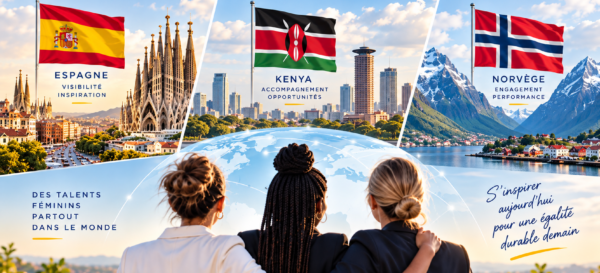
When Inspiration Comes from Elsewhere: Three International Initiatives We Can Learn From
-

3 Initiatives That Make a Difference in the Fight for Gender Equality
-
5 Cultural Recommendations for This Summer
-
The 5 Key Milestones in the Advancement of Women’s Rights That We Owe to Europe
-
The 5 European Leaders Driving Gender Equality
-
Five Feminist Figures in Mentoring
-
Our Recommendations: Gender Equality in Music
-
Is Diella the ideal woman?