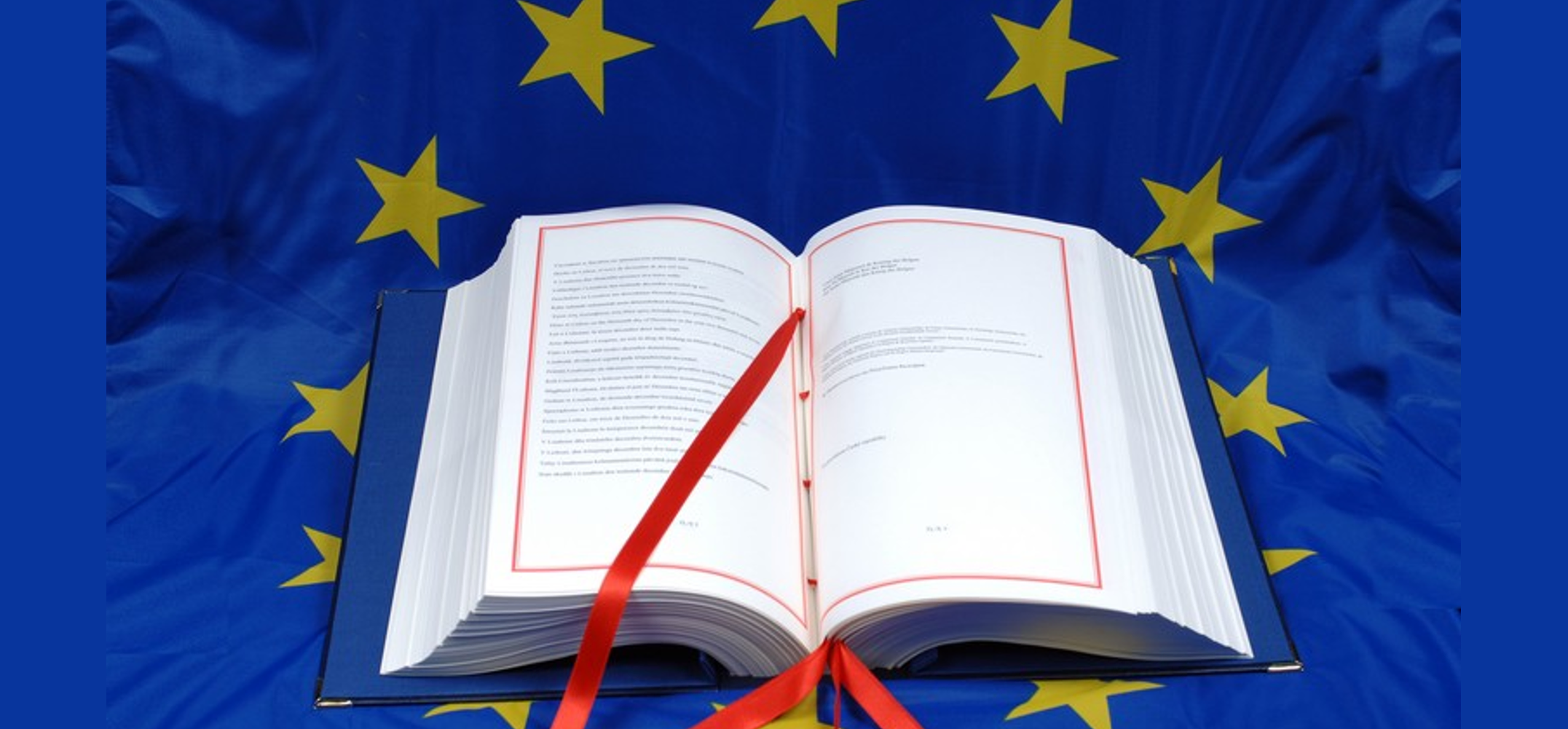
The 5 Key Milestones in the Advancement of Women’s Rights That We Owe to Europe
1. 1957: Gender equality as a fundamental value:
The signing of the Treaty of Rome in 1957, which marked the creation of the European Economic Community, enshrined gender equality as a fundamental value of the European Union. This principle is enshrined in the Treaty on European Union (1992), Article 2 of which states: “The Union is founded on the values of respect for human dignity, freedom, democracy, equality, the rule of law, and respect for human rights, including the rights of persons belonging to minorities.” These values are common to the Member States in a society characterized by pluralism, non-discrimination, tolerance, justice, solidarity, and equality between women and men.” To make this principle more operational, the Charter of Fundamental Rights of the European Union was adopted in 2000. It provides better protection for women’s rights, especially since the Treaty of Lisbon in 2009, which made it legally binding. Article 23 states: “Equality between men and women must be ensured in all areas, including in matters of employment, work, and pay. The principle of equality does not preclude the maintenance or adoption of measures providing for specific advantages in favor of the underrepresented sex.”
2. 1975 – Against wage discrimination:
The first European directive against wage discrimination was adopted on February 10, 1975. Specifically, this directive requires member states to incorporate into their respective laws provisions that ensure equal pay for both genders. The following year, following a ruling by the Court of Justice of the European Union (CJEU), European citizens were granted the right to file legal claims to assert their rights in this area. The CJEU also ruled that this principle applies not only to public officials but also to collective bargaining agreements governing salaried employment. This is the oldest decision regarding gender equality on which the CJEU has ruled. It marks a major turning point in the progress toward professional equality.
3. 2008: The Most-Favored European Clause:
In 2008, the organization “Choisir la cause des femmes” (Choose the Cause of Women), founded in 1979 by Gisèle Halimi and Simone de Beauvoir, published a study comparing national laws among European Union member states in terms of gender equality. Based on findings of significant disparities in the daily lives of European women, the report advocates for a “most-favored European woman” clause. This clause is inspired by commercial law: international trade agreements include a “most-favored-nation” clause, which stipulates that if a state grants special advantages to another state, it must also grant them to all other signatory states to the agreement. Applied to gender equality, the “most-favored European woman” clause ensures that every European woman is guaranteed a set of fundamental rights based on those enjoyed by European women living in the national contexts most favorable to gender equality. In 2023, the association published an updated version of this work. Both are important tools in the fight for the convergence of women’s rights and help shed light on the diversity of women’s experiences.
4. 2010: Parental leave for everyone:
2010 was the year the directive establishing a minimum period of parental leave in all European Union countries went into effect. It applies to all European workers, regardless of the type of employment contract they have, and the minimum duration set by the European Union is four months. An update to this directive was adopted in 2019— the Work-Life Balance Directive. It aims to encourage fathers to take more of this leave, as mothers remain the primary beneficiaries even today. The 2019 directive thus provides for the possibility of transferring leave between parents, as well as the requirement to offer “adequate” pay when the leave is taken. The overall goal is to achieve a more equitable sharing of family responsibilities, which still too often fall on mothers today. For example, 68% of women say they spend time on household chores every day, compared with 43% of men.
5. 2023: The End of Salary Secrecy:
The Pay Transparency Directive was adopted in May 2023, and its transposition into the national laws of member states is scheduled for sometime in 2026. This directive introduces the principle of equal pay for work of equal value, in order to combat persistent wage inequalities between men and women, which are, for the most part, structural inequalities (shorter working hours, fewer career opportunities, the concentration of women in lower-paying occupations, etc.). The directive also requires large companies to publish annual or biannual reports detailing gender pay gaps; such companies will be required to justify pay gaps exceeding 5% based on objective criteria; otherwise, an employee who has been discriminated against in terms of pay may be entitled to compensation. The burden of proof thus rests with the employer.
Through these five key milestones, we can see how the EU has played a pivotal role in the fight for European women’s rights. Moreover, the Union is now addressing new issues with the adoption in 2024 of its first directive against violence against women. This is a historic step forward, as it marks the first time the EU has legislated on this issue—a sign of hope for the establishment of a common framework and a shared vision to combat gender-based violence.
Similar news stories
-
When Inspiration Comes from Elsewhere: Three International Initiatives We Can Learn From
-

3 Initiatives That Make a Difference in the Fight for Gender Equality
-

5 Cultural Recommendations for This Summer
-

The 5 European Leaders Driving Gender Equality
-

5 Resources to Help Ensure Women Are No Longer Invisible in History
-
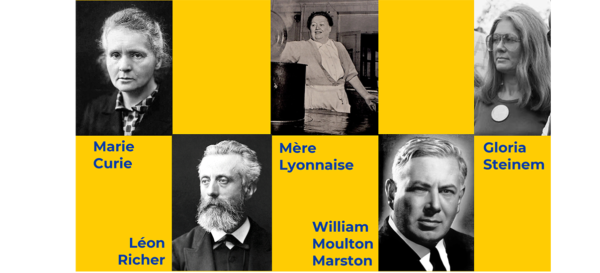
Five Feminist Figures in Mentoring
-

Our Recommendations: Gender Equality in Music
-

Is Diella the ideal woman?